
Master Cooking Methods That Preserve Nutrients
Learn evidence-based cooking techniques that retain maximum vitamins, minerals, and beneficial compounds in your food. Discover how to prepare meals that nourish your body.
The information on this site is for educational purposes only and does not constitute medical advice. Always consult a qualified healthcare professional before making health decisions.
The 4 Core Nutrient-Retaining Techniques
These evidence-based methods help preserve the nutritional value of your ingredients while creating delicious, satisfying meals.
Steaming
Gentle steaming preserves water-soluble vitamins and minerals while maintaining vegetables' natural colors and textures. Ideal for broccoli, carrots, and leafy greens.
Low-Temperature Roasting
Roasting at lower temperatures (300-350°F) enhances flavor compounds while minimizing nutrient loss. Perfect for root vegetables, nuts, and seeds.
Quick Sautéing
Brief, high-heat cooking with healthy oils activates beneficial compounds while keeping cook time minimal. Works well with leafy greens and mushrooms.
Slow Simmering
Gentle, prolonged cooking in broth or water creates nutrient-rich liquids while breaking down compounds into more bioavailable forms. Ideal for soups and stews.
Why Cooking Methods Matter for Your Health
The way you cook your food directly impacts its nutritional value. Heat, water exposure, oxygen, and cooking duration all affect which nutrients survive the cooking process and reach your plate.
For example, vitamin C is highly sensitive to heat and water, while lycopene in tomatoes becomes more bioavailable when heated. Understanding these differences allows you to choose cooking methods that maximize the specific nutrients you're seeking.
Our editorial platform guides you through scientific research on how various cooking techniques preserve or enhance nutrient content, helping you build a meal preparation approach that aligns with your nutritional priorities.
Preserve heat-sensitive vitamins through gentle steaming and brief cooking times
Enhance bioavailability of fat-soluble vitamins with proper cooking and healthy oils
Unlock beneficial compounds through appropriate heat application and cooking duration
Minimize nutrient loss by choosing methods suited to specific ingredients
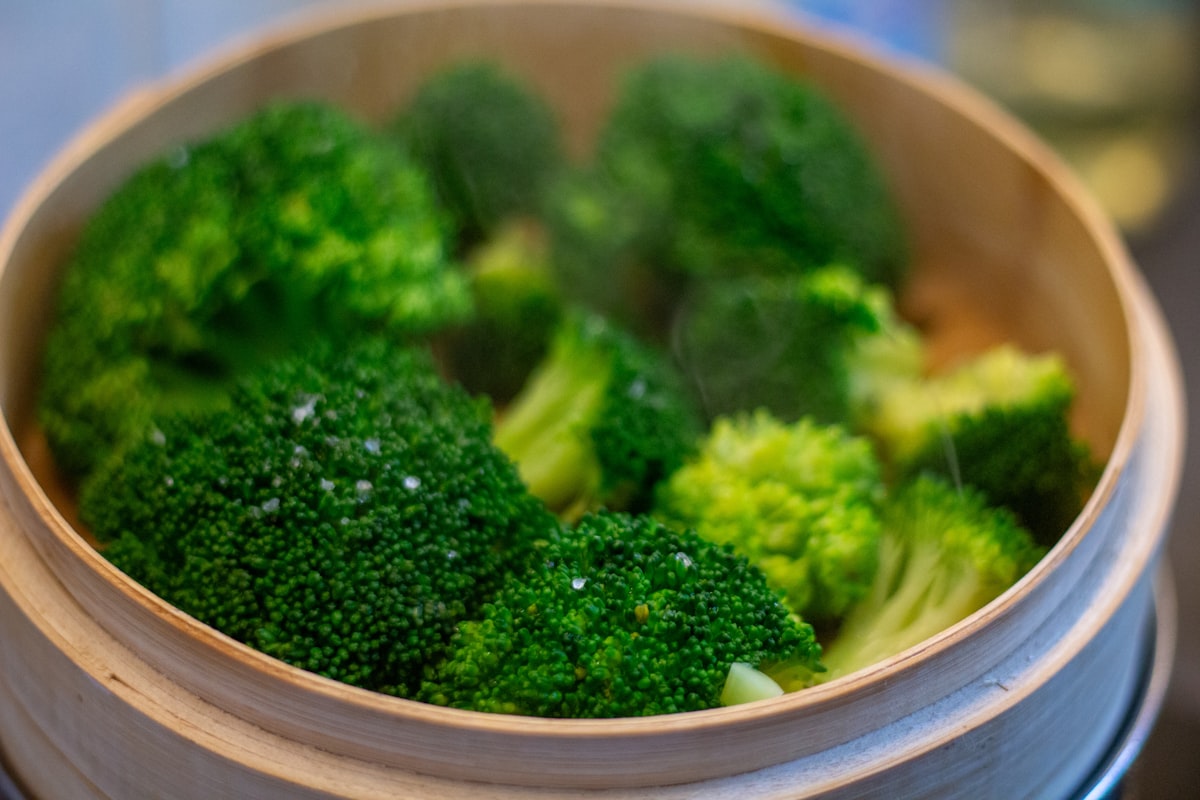
Nutrient Retention Rates by Method
Research shows significant differences in how various cooking techniques preserve key nutrients. Here's what the data reveals.
Steaming
Vitamin C Retention
85%
Folate Retention
80%
Minerals Retention
90%
Low-Temp Roasting
Vitamin C Retention
65%
Carotenoid Bioavailability
95%
Minerals Retention
85%
Boiling (Reference)
Vitamin C Retention
40%
Folate Retention
50%
Minerals Retention
70%
Retention rates are approximate averages based on peer-reviewed research. Values vary depending on specific vegetables, cooking duration, and water volume used.
Visual Guide to Cooking Methods
Explore practical examples and visual references for implementing nutrient-conscious cooking techniques in your kitchen.
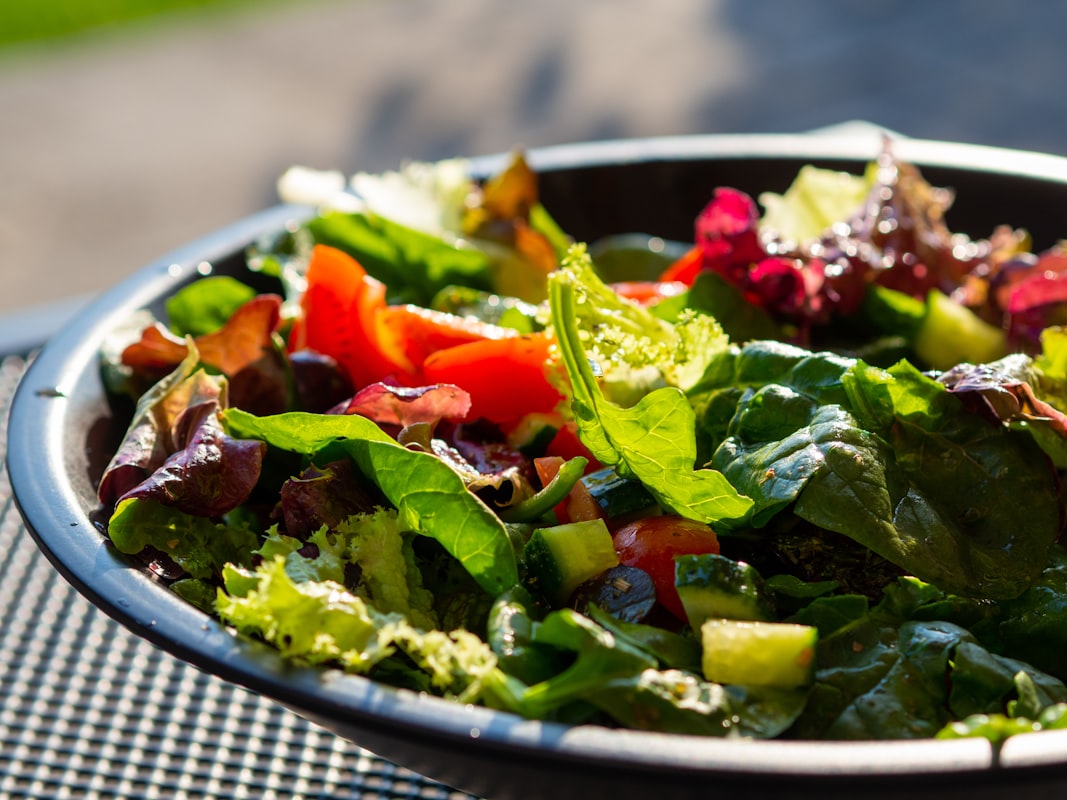
Steaming Setup & Best Practices
Learn how to set up an effective steamer and which vegetables yield the best results with this gentle cooking method.
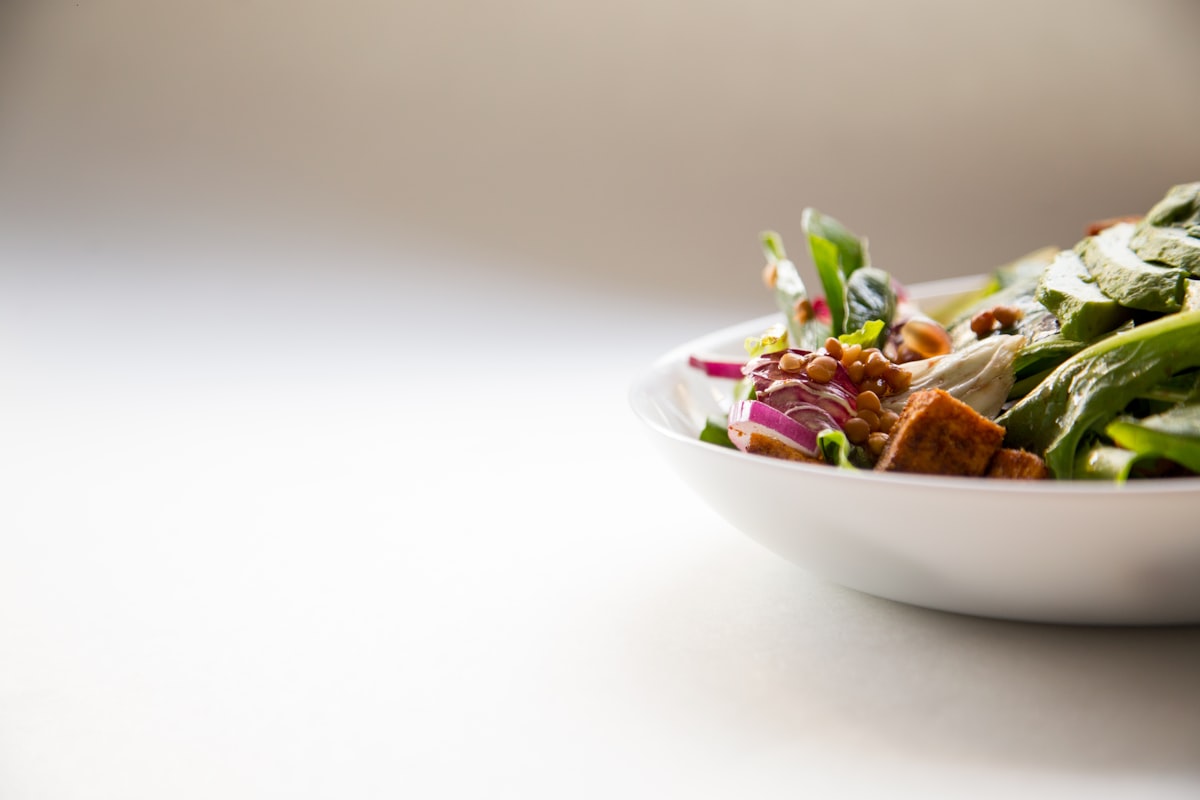
Low-Temperature Roasting Guide
Master the art of low-temperature roasting to caramelize vegetables while maximizing nutrient content and flavor.
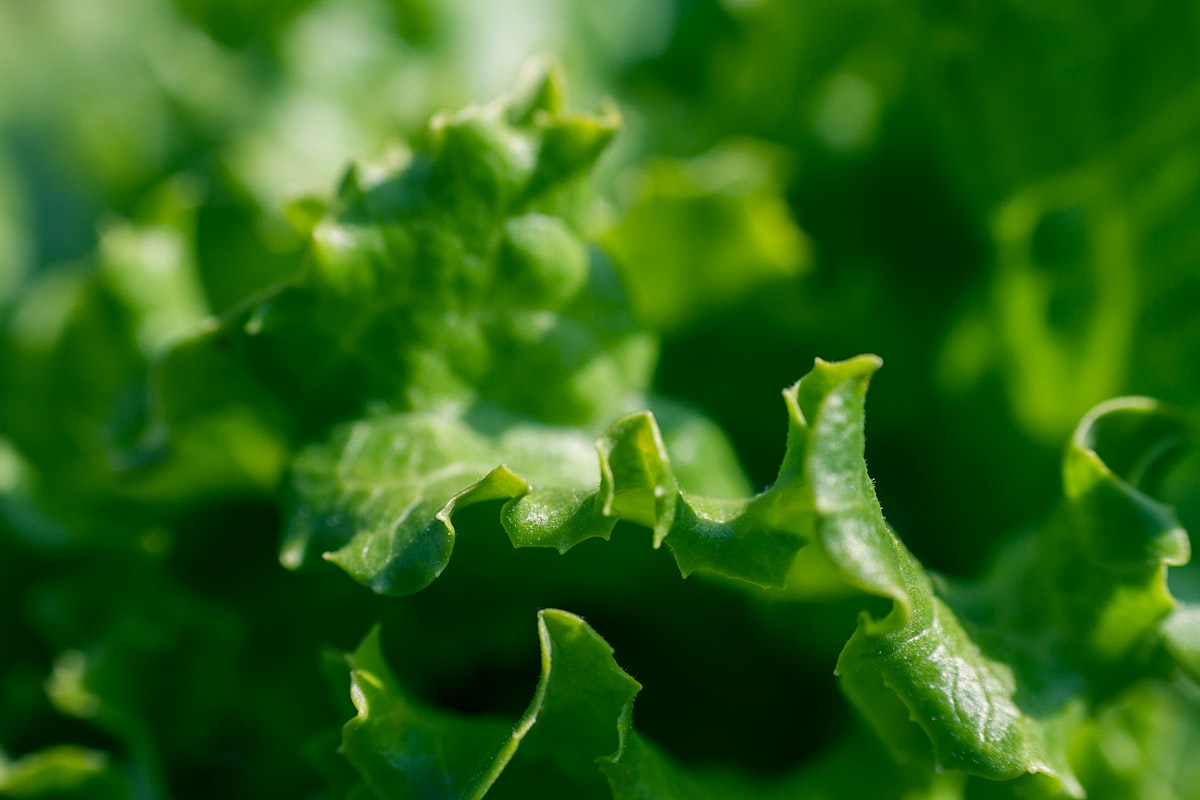
Quick Sautéing Techniques
Discover how to sauté vegetables quickly to preserve heat-sensitive nutrients while developing delicious flavors.
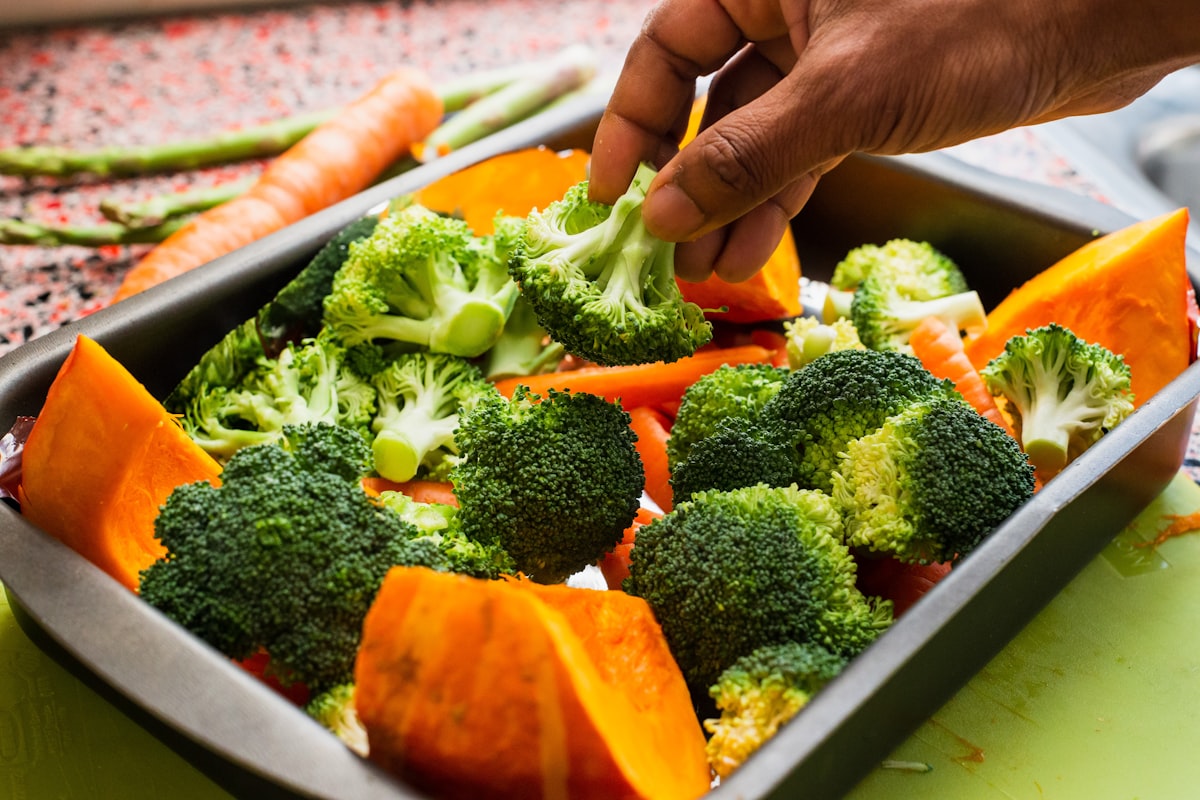
Slow Simmering & Broth Making
Master the creation of nutrient-dense broths and soups through proper simmering techniques and ingredient combinations.
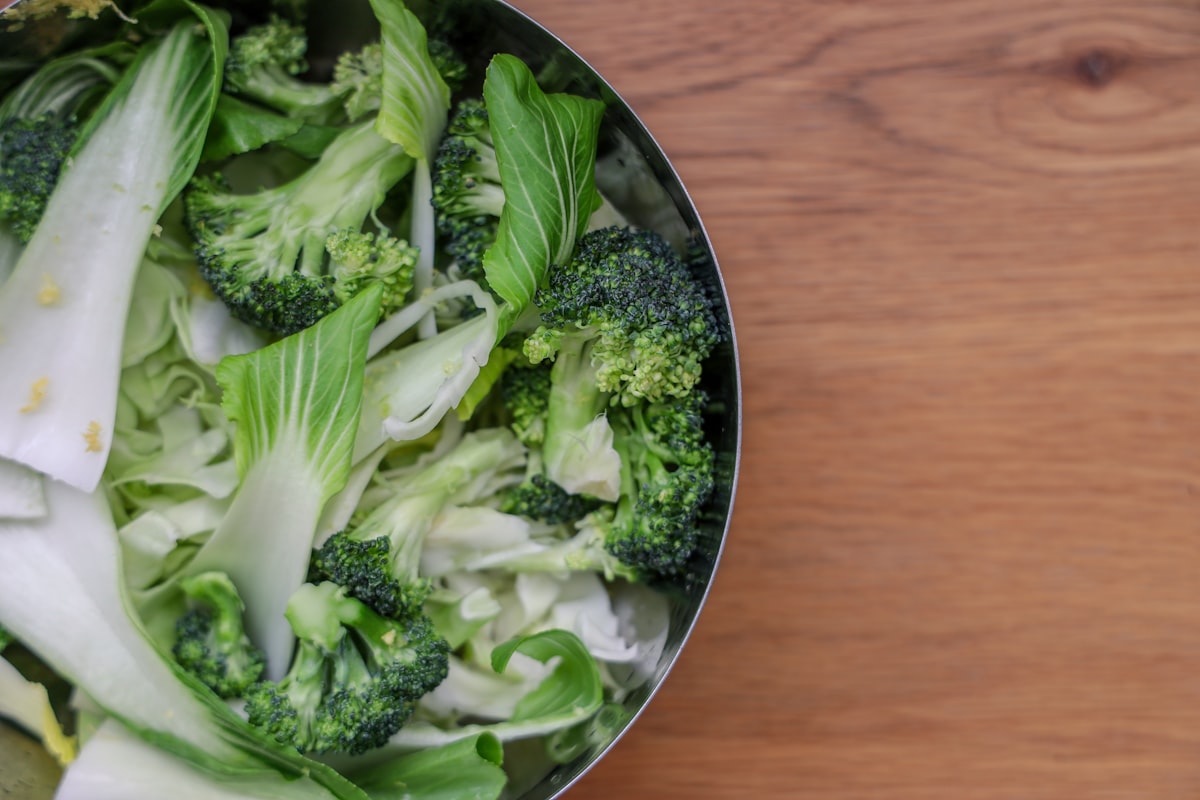
Raw Preparation & Timing
Understand when raw preparation is optimal and how immediate consumption prevents nutrient degradation from oxidation.
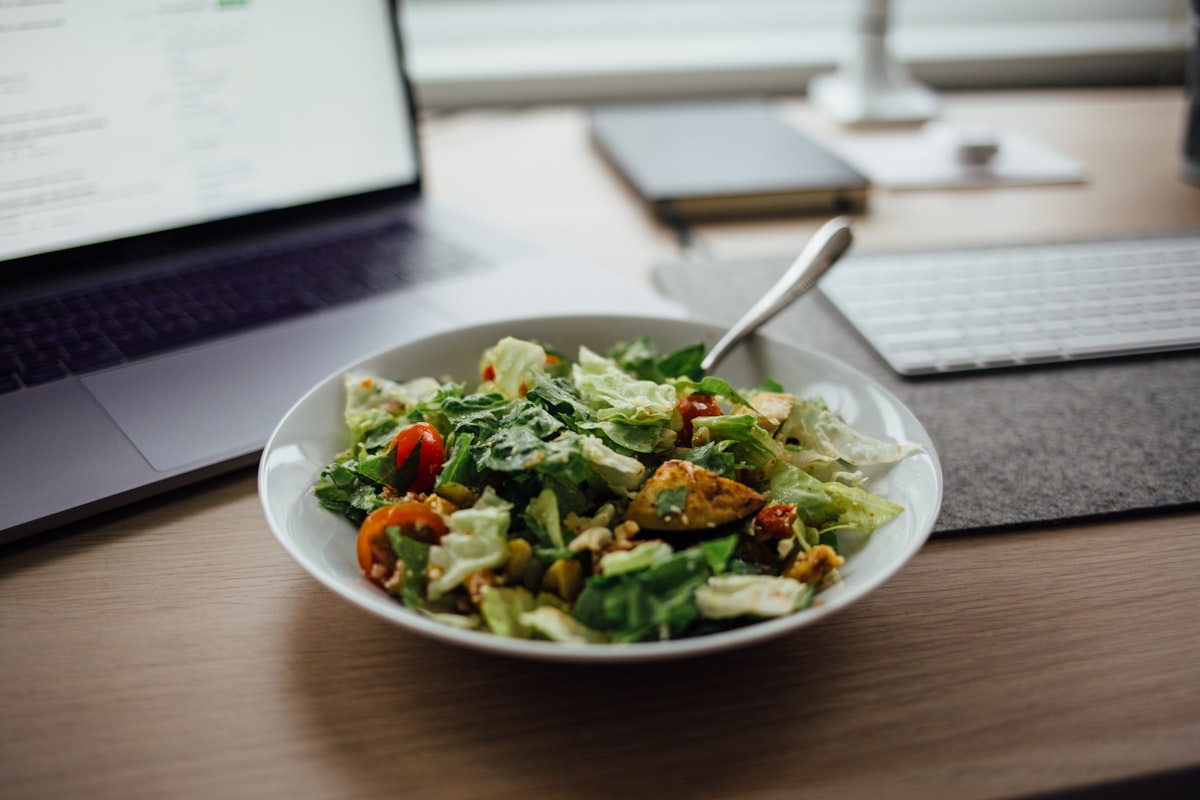
Storage & Meal Prep Strategy
Learn proper storage methods to preserve nutrients in pre-cooked meals and maximize the longevity of prepared vegetables.
What Our Readers Say
Feedback from our community on how understanding cooking methods has transformed their meal preparation.
"I had no idea that the way I was cooking vegetables was destroying most of the nutrients. This guide about steaming and low-temperature roasting changed everything. My energy levels have improved since I started using these methods. The detailed explanations about why each technique matters made it easy to implement."
Anna Kołodko
Warsaw, Poland
"I appreciate how well-researched this content is. The explanations about vitamin C loss through boiling versus steaming are backed by actual science. I've started recommending your guides to my clients. The visual comparisons of different cooking methods are especially helpful for education."
Magdalena Lewandowski
Kraków, Poland
"I'm impressed with how practical these guides are. It's not just theory—the actual cooking times, temperatures, and methods are easy to follow. My family noticed that vegetables taste better and we feel healthier. The retention rate charts really helped me understand which methods to prioritize."
Tomasz Walicki
Gdańsk, Poland
"Perfect resource for someone like me who wanted to optimize their diet without overhauling everything. The content is accessible but detailed enough for those who want to dig deeper. I especially appreciated learning about bioavailability—it changed how I think about meal combinations."
Ewa Kamiński
Łódź, Poland
Common Questions About Cooking and Nutrition
Find answers to frequently asked questions about nutrient retention, cooking methods, and practical implementation.
No—heat affects different nutrients differently. Water-soluble vitamins like vitamin C and folate are sensitive to heat, but fat-soluble vitamins (A, D, E, K) often become more bioavailable with cooking. Some compounds like lycopene in tomatoes actually increase in bioavailability when heated. The key is matching the cooking method to the specific nutritional profile of your ingredients.
Generally, shorter cooking times and lower temperatures preserve more nutrients overall, but some vegetables benefit from moderate cooking that makes beneficial compounds more accessible to your body.
Stay Updated on Nutrient-Rich Cooking
Get the latest articles, research updates, and practical cooking guides delivered to your inbox. Learn from our editors about evidence-based approaches to nutrient retention.
We respect your privacy. Unsubscribe anytime. No spam, only educational content.