
Cooking Methods for Nutrient Retention
Discover the most effective cooking techniques to preserve vitamins, minerals, and beneficial compounds in your food. Learn which methods maintain nutritional integrity while delivering delicious results.
The information on this site is for educational purposes only and does not constitute medical advice. Always consult a qualified healthcare professional before making health decisions.
Filter by Category
Essential Cooking Methods
Steaming
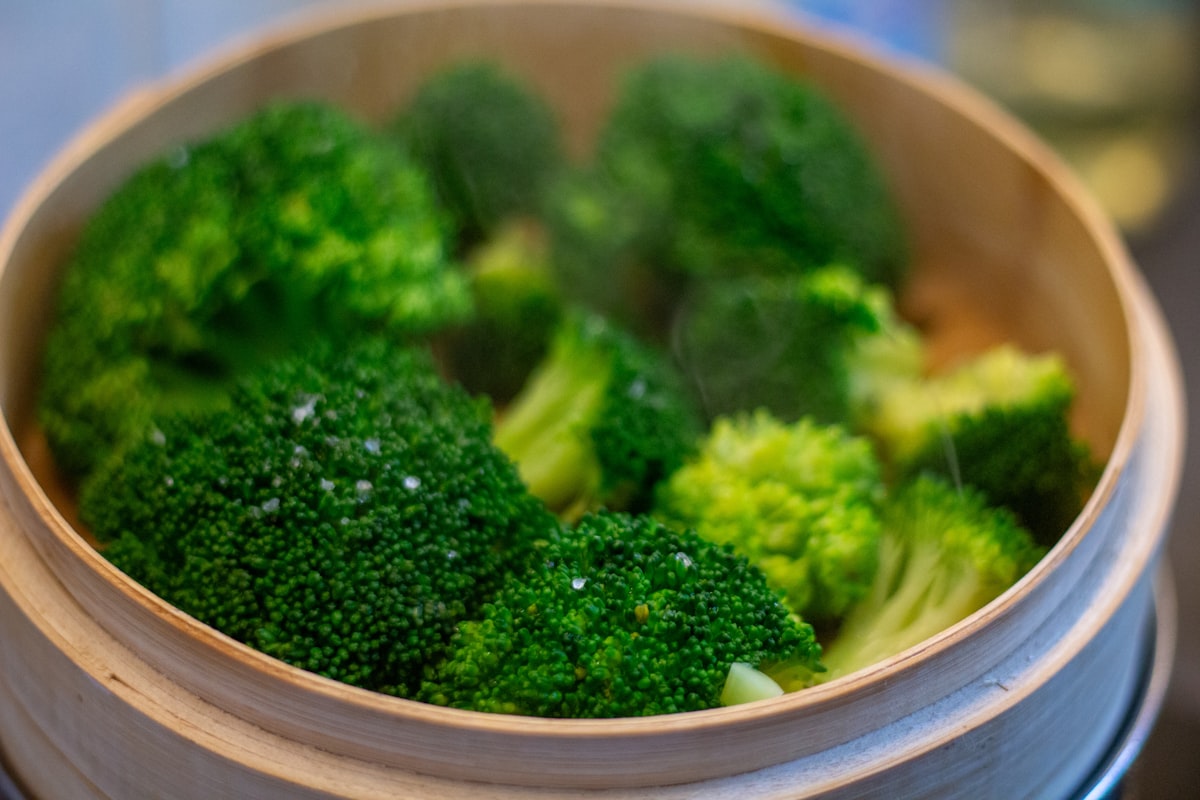
Steaming uses gentle heat and moisture to cook vegetables, fish, and grains while retaining water-soluble vitamins and minerals. This method prevents nutrient leaching into cooking water and maintains natural flavors without added fat.
- Preserves up to 90% of vitamins
- No nutrient loss to cooking liquid
- Maintains vibrant food colors
- Equipment: bamboo baskets, metal steamers
Quick Boiling
Brief boiling at high temperatures can rapidly cook vegetables while minimizing nutrient loss. The key is short cooking times and minimal water volume. Reserve cooking water for soups to capture leached minerals and vitamins.
- Best for dense vegetables
- Save cooking water for broths
- Reduces cooking time significantly
- Minimum water coverage needed
Quick Sautéing
High-heat sautéing cooks food rapidly in minimal oil, preserving heat-sensitive nutrients while enhancing flavor compounds. The quick cooking time is crucial—overcooking leads to nutrient degradation and loss of bioactive compounds.
- Short cooking duration
- Activates fat-soluble vitamins
- Minimal vitamin loss in 5-7 minutes
- Use olive or coconut oil
Low-Temperature Roasting
Roasting at moderate temperatures (around 150°C) preserves nutrients better than high-heat methods while developing flavor through gentle caramelization. Lower temperatures reduce heat damage to delicate vitamins and phytonutrients.
- Keep temperature under 160°C
- Retains mineral content effectively
- Creates appealing texture and taste
- Ideal for root vegetables and nuts
Raw & Fresh Consumption
Raw vegetables and fruits provide maximum nutrient density since no heat has degraded vitamins, enzymes, or phytonutrients. Proper storage and minimal time between harvest and consumption are essential for maintaining nutritional value.
- Zero nutrient loss from heat
- Preserves natural enzymes
- Store properly to prevent oxidation
- Consume within 3-5 days of purchase
Slow Cooking & Braising
Slow cooking at low temperatures over extended periods preserves heat-sensitive nutrients while enhancing mineral bioavailability through gentle extraction. Liquid retention captures any leached nutrients, preventing waste.
- Low temperature protects vitamins
- Increases mineral absorption potential
- Nutrient-rich braising liquid included
- Perfect for tough cuts and legumes
Nutrient Preservation at a Glance
Vitamin C Retention
B Vitamins Retention
Mineral Retention
Mastering Steam Cooking
Steaming stands out as one of the most nutrient-preserving cooking methods available. By using water vapor rather than direct contact with heat or cooking liquid, steaming creates an ideal environment for gentle, even cooking while maintaining the maximum nutritional content of your food.
The key advantage is that water-soluble vitamins like vitamin C and B-complex vitamins remain in the food rather than leaching into cooking water. Additionally, minerals stay locked within the food structure, and heat-sensitive phytonutrients are better protected compared to boiling or high-heat methods.
Pro Tips for Optimal Results:
- Steam at 100°C for vegetables—never exceed this temperature
- Use filtered or spring water for the best flavor preservation
- Cut vegetables uniformly for even cooking times (5-8 minutes ideal)
- Keep the lid on to trap heat and minimize cooking time
- Test doneness with a fork—tender but still slightly firm is optimal
Your Nutrient-Retention Cooking Roadmap
Select Fresh Produce
Choose vegetables and fruits at peak ripeness. Freshly harvested produce contains maximum nutrient density and degrades more slowly when prepared correctly.
Minimal Prep Time
Cut vegetables just before cooking to minimize oxidation and nutrient loss. Exposure to air and light degrades vitamins—speed is essential from preparation to cooking.
Choose the Right Method
Select cooking methods suited to your ingredients. Steaming and quick sautéing excel for vegetables, while slow cooking enhances legume nutrition and mineral bioavailability.
Consume Immediately
Eat cooked meals fresh—nutrients continue degrading after cooking. Proper storage (refrigeration within 2 hours) slows degradation but cannot reverse heat damage.
Frequently Asked Questions
Raw consumption retains 100% of heat-sensitive vitamins and enzymes. Among cooking methods, steaming is the clear winner—it preserves 85-90% of vitamins while keeping minerals intact. Quick boiling > (3-5 minutes) preserves around 75% of nutrients. Microwaving ranks similarly. Avoid prolonged boiling and high-heat frying, which can degrade up to 50% of water-soluble vitamins (B and C).
Look for vibrant colors—deep greens, bright reds, oranges, and purples indicate high antioxidant content. Check for whole, unprocessed ingredients on labels. Nutrient density is high in foods like leafy greens, legumes, nuts, seeds, fatty fish, and colorful vegetables. Avoid heavily processed foods with added sugars and sodium. When cooking, use minimal water, avoid overcooking, and pair foods strategically (e.g., fat-soluble vitamins with healthy oils).
Yes! Prep raw vegetables and store them in airtight containers with minimal water exposure. Cook grains and proteins fresh or within 2-3 days. Store in cool, dark conditions to slow nutrient degradation. Keep cooked and raw components separate until serving. Avoid overcooking during meal prep—cook just until tender. Use glass containers instead of plastic to prevent chemical leaching. Freeze portions for longer storage (up to 3 months) if needed.
What Our Community Says
Join thousands who've transformed their health through nutrient-rich cooking.
"Nutrientrichcooking transformed how I approach meals. My energy levels increased within weeks, and I finally understand why nutrition matters. The recipes are delicious and actually doable!"
Sarah Mitchell
Fitness Enthusiast
"As a busy parent, I needed quick solutions that weren't compromising on nutrition. These meal ideas saved my family. We eat better, feel better, and spend less time wondering what to cook."
James Rodriguez
Parent & Nutritionist
"I struggled with digestive issues until I started cooking with nutrient-dense whole foods. The guidance here is evidence-based and genuinely helpful. Highly recommend!"
Emma Thompson
Health Coach